
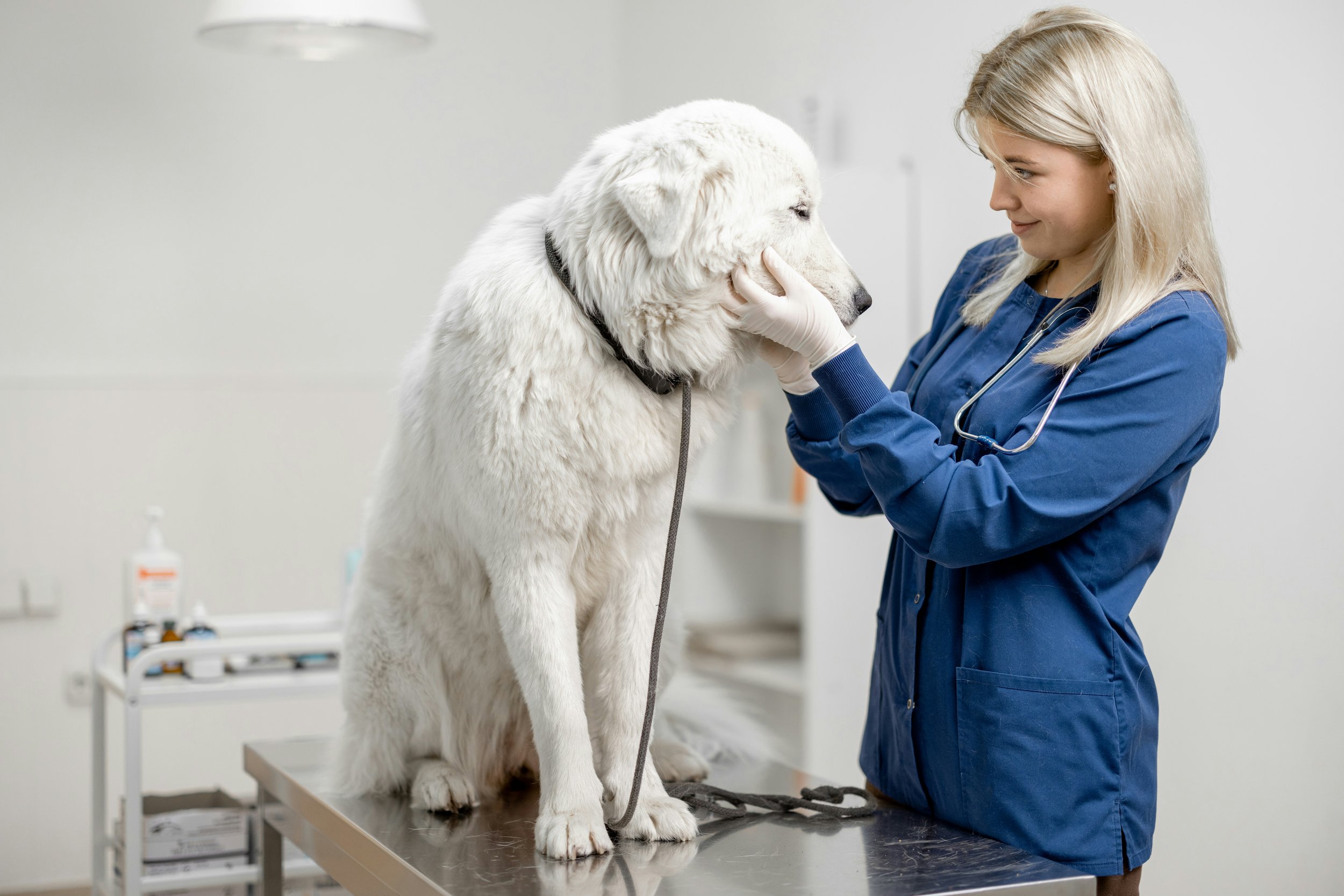
In veterinary medicine, delivering fluids and medications with precision is essential to providing safe and effective patient care. Whether treating a dehydrated dog, managing anesthesia during surgery, or administering medication to a critically ill patient, veterinary professionals rely on specialized equipment to maintain control over fluid delivery.
Two commonly used devices are the veterinary infusion pump and the veterinary syringe pump. Although both are designed to deliver fluids at controlled rates, they serve different purposes and offer distinct advantages depending on the treatment, patient size, and clinical situation.
Understanding the differences between these two types of veterinary equipment can help clinics select the most appropriate solution for their patients and daily operations.
What Is a Veterinary Infusion Pump?
A veterinary infusion pump is a medical device designed to deliver controlled amounts of fluids, medications, or other intravenous solutions to an animal over a specified period.
Unlike traditional gravity-based IV administration, which depends on manual adjustments and can be affected by changes in fluid height or patient movement, an infusion pump uses a mechanical system to regulate fluid delivery.
This makes it particularly useful in veterinary settings where consistent fluid administration and accurate flow rates are important.
Common Applications of Veterinary Infusion Pumps
Veterinary infusion pumps are commonly used for:
Fluid therapy: Administering intravenous fluids to patients experiencing dehydration, fluid loss, or other conditions requiring fluid support.
Surgical procedures: Delivering fluids at controlled rates during anesthesia and surgery.
Hospitalization: Supporting patients who require ongoing intravenous fluid administration.
Emergency and critical care: Providing controlled fluid delivery as part of a patient's treatment plan.
Medication administration: Delivering compatible medications through intravenous infusion when clinically appropriate.
Infusion pumps are particularly valuable when veterinary teams need to administer moderate or larger volumes of fluid consistently over extended periods.
The PractiVet Infusion Pump
The PractiVet Infusion is designed to support veterinary professionals with controlled fluid administration in clinical environments.
By helping veterinary teams manage fluid delivery, an infusion pump can contribute to more consistent treatment administration while reducing the need for frequent manual flow adjustments.
For clinics managing surgical patients, hospitalized animals, or cases requiring ongoing fluid therapy, having a dependable veterinary infusion pump can be an important part of everyday patient care.
What Is a Veterinary Syringe Pump?
A veterinary syringe pump is a precision medical device that delivers small volumes of fluids or medications at carefully controlled rates.
Instead of drawing fluid from an IV bag, a syringe pump uses a motor-driven mechanism to gradually advance the plunger of a syringe.
This allows veterinary professionals to administer medications and solutions in smaller quantities, making syringe pumps especially useful when precise, low-volume delivery is required.
Common Applications of Veterinary Syringe Pumps
Veterinary syringe pumps are frequently used for:
Continuous rate infusions (CRIs): Delivering medications at a controlled rate over time, including certain analgesics, sedatives, and other prescribed drugs.
Anesthesia management: Administering medications that require precise infusion rates during procedures.
Critical care: Supporting patients receiving carefully titrated medication infusions.
Small animal and exotic medicine: Delivering low-volume treatments to patients for whom small dosing differences may be clinically significant.
Specialized medication administration: Providing controlled delivery of compatible medications that require precise dosing.
Because syringe pumps are designed for smaller volumes, they can be particularly useful when the required infusion rate is too low for some conventional infusion systems to deliver reliably.
The PractiVet Syringe Pump
The PractiVet Syringe offers veterinary professionals a solution for controlled, low-volume medication administration.
In clinical situations where precision is essential, such as administering continuous medication infusions or treating smaller patients, a veterinary syringe pump can help teams maintain consistent delivery according to prescribed treatment parameters.
It is a valuable addition to clinics that regularly perform anesthesia, provide intensive care, or manage patients requiring specialized medication protocols.
Veterinary Infusion Pump vs. Syringe Pump: Key Differences
Although both devices regulate fluid delivery, the main difference between a veterinary infusion pump and a veterinary syringe pump lies in how they deliver fluids and the types of treatments they are best suited for.
1. Fluid Delivery Method
A veterinary infusion pump typically delivers fluids from an IV bag or another compatible fluid container through an administration set.
A veterinary syringe pump, on the other hand, delivers fluids directly from a syringe by mechanically advancing its plunger.
This difference influences the volume of fluid each device can deliver and the types of treatments for which it is commonly used.
2. Fluid Volume and Flow Rate
Infusion pumps are generally better suited for administering larger volumes of fluid, making them a practical choice for hydration therapy and ongoing intravenous fluid support.
Syringe pumps are designed for smaller volumes and can provide precise control at very low infusion rates.
For example, a hospitalized dog requiring ongoing IV fluid therapy may benefit from an infusion pump, while a small patient receiving a carefully calculated medication infusion may require a syringe pump.
3. Precision and Dosing Requirements
Both devices are designed to provide controlled fluid delivery, but syringe pumps are often preferred for low-volume medication administration where small variations in delivery can be significant.
Infusion pumps also provide accurate delivery within their specified operating ranges and are well suited for many fluid therapy applications.
However, precision depends on the individual device, its operating specifications, the administration setup, and proper use. Veterinary professionals should always verify that the selected pump meets the requirements of the prescribed treatment.
4. Clinical Applications
Veterinary infusion pumps are frequently associated with general fluid therapy, surgery, hospitalization, and emergency care.
Veterinary syringe pumps are commonly used for continuous medication infusions, anesthesia, critical care, and treatments requiring smaller volumes.
While their applications sometimes overlap, each device offers advantages for different clinical needs.
5. Setup and Workflow
Infusion pumps generally require a compatible IV administration set and fluid container, while syringe pumps require a compatible syringe.
The choice between the two can affect preparation time, fluid replacement frequency, and workflow.
For longer treatments involving larger fluid volumes, an infusion pump may reduce the frequency of container changes. For smaller medication infusions, a syringe pump may offer a more practical setup.
When Should a Veterinary Clinic Use an Infusion Pump?
A veterinary infusion pump is often the more appropriate choice when a patient requires ongoing fluid administration at a controlled rate.
Consider the following situations:
A dehydrated patient requiring IV fluids
A dog admitted for dehydration may need intravenous fluid therapy over several hours. An infusion pump can help the veterinary team administer the prescribed fluid volume at the intended rate.
A patient undergoing surgery
During certain surgical procedures, veterinary professionals may use an infusion pump to deliver intravenous fluids according to the patient's anesthetic and fluid management plan.
A hospitalized animal requiring fluid support
For patients staying in the clinic for extended periods, an infusion pump can support consistent fluid administration while allowing the veterinary team to monitor and adjust treatment as needed.
In these situations, the ability to deliver larger fluid volumes at controlled rates makes an infusion pump a practical solution.
When Is a Veterinary Syringe Pump the Better Choice?
A veterinary syringe pump may be preferable when administering small amounts of medication that require precise control.
Some common examples include:
A patient receiving a continuous rate infusion
Certain medications used for pain management, sedation, or other treatments may be administered through a continuous rate infusion. A syringe pump can deliver these medications at carefully calculated rates.
A small or exotic animal
For very small patients, even minor variations in medication volume may be clinically important. A syringe pump capable of operating at appropriately low flow rates can help support accurate administration.
A critically ill patient requiring medication adjustments
In emergency or intensive care settings, some medications must be administered continuously and adjusted according to the patient's response. A syringe pump can support this type of controlled medication delivery when used with appropriate monitoring.
In each case, the treatment protocol, medication characteristics, patient needs, and pump specifications should guide equipment selection.
Do Veterinary Clinics Need Both Types of Pumps?
For many veterinary practices, the answer is yes.
Veterinary infusion pumps and veterinary syringe pumps are not necessarily competing devices. Instead, they often complement each other by addressing different treatment requirements.
A clinic equipped with both can manage a broader range of fluid and medication administration needs.
For example, a patient recovering from surgery may require intravenous fluid therapy through an infusion pump while simultaneously receiving a prescribed continuous medication infusion through a syringe pump.
Having both devices available can provide veterinary teams with greater flexibility when developing individualized treatment plans.
However, the ideal equipment selection depends on the clinic's services, patient population, treatment protocols, and budget.
A general veterinary practice may have different requirements than a specialty hospital, emergency clinic, or facility specializing in exotic animals.
What Should Veterinary Clinics Consider When Choosing a Pump?
Beyond understanding the differences between the two devices, veterinary professionals should evaluate several factors before purchasing equipment.
Accuracy and Flow Rate Capabilities
Review the pump's specified accuracy and supported flow rate range. The device should be capable of delivering the volumes and rates commonly required by the clinic's patients.
Ease of Use
Veterinary teams often work in fast-paced environments. Clear controls, intuitive programming, and straightforward setup procedures can help make equipment easier to integrate into daily workflows.
Safety Features
Depending on the model, pumps may include alarms for conditions such as occlusions, low battery levels, or infusion completion.
These features can help alert veterinary staff to situations requiring attention, although they do not replace appropriate patient monitoring.
Compatibility
Consider the IV administration sets, syringe sizes, and other accessories supported by the equipment.
Compatibility is particularly important when clinics already use specific consumables or have established treatment protocols.
Reliability and Long-Term Value
Veterinary equipment is an investment in daily clinical operations. Clinics should consider equipment durability, maintenance requirements, technical support, and overall value rather than focusing solely on the initial purchase price.
Selecting equipment that aligns with the team's needs can help support efficient workflows and consistent patient care.
Find the Right Veterinary Pump for Your Clinic with PractiVet
Choosing between a veterinary infusion pump and a veterinary syringe pump comes down to understanding the needs of your patients and the treatments your clinic provides.
Infusion pumps are generally ideal for controlled fluid therapy and larger-volume infusions, while syringe pumps are especially useful for precise, low-volume medication administration.
For many veterinary clinics, having access to both devices provides the flexibility needed to manage a wide range of clinical situations.
At PractiVet, we understand the importance of dependable veterinary equipment in supporting daily clinical operations and patient care.